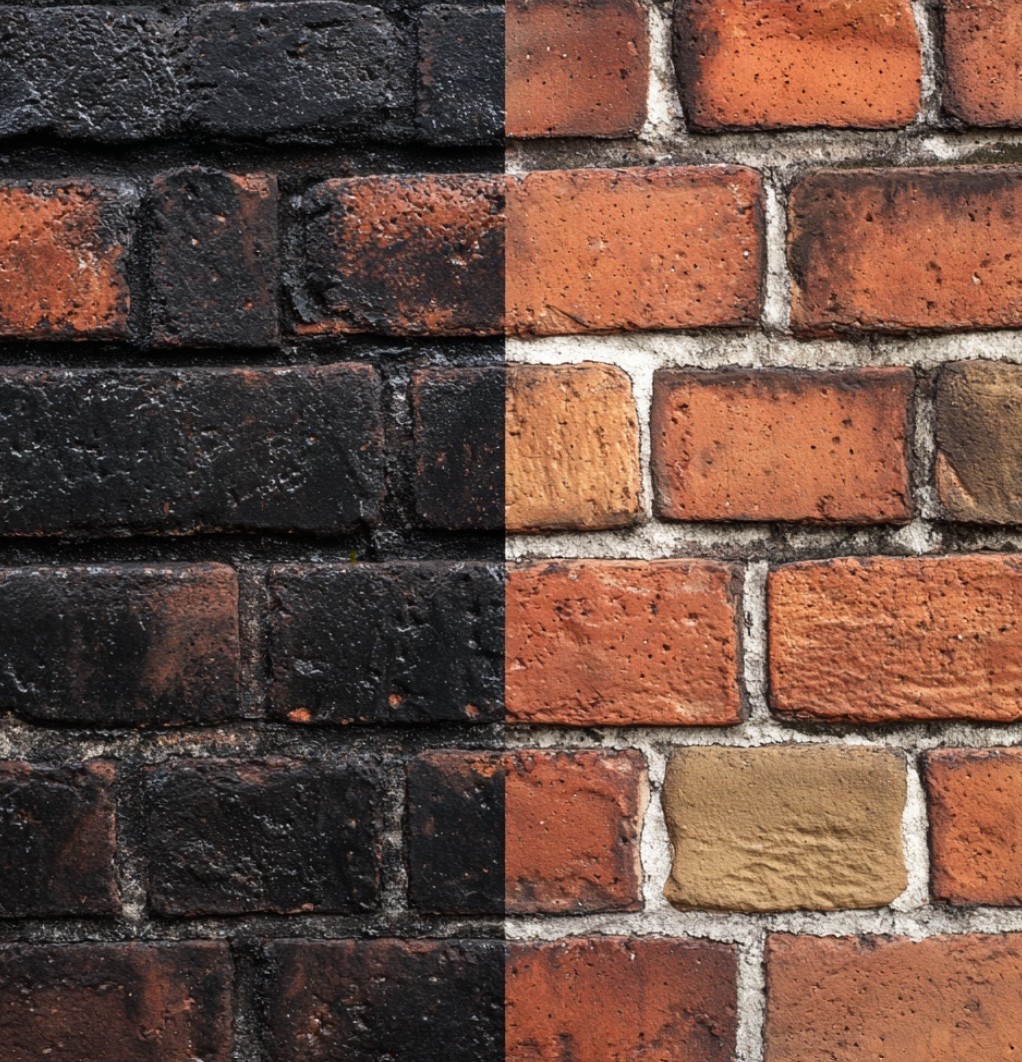
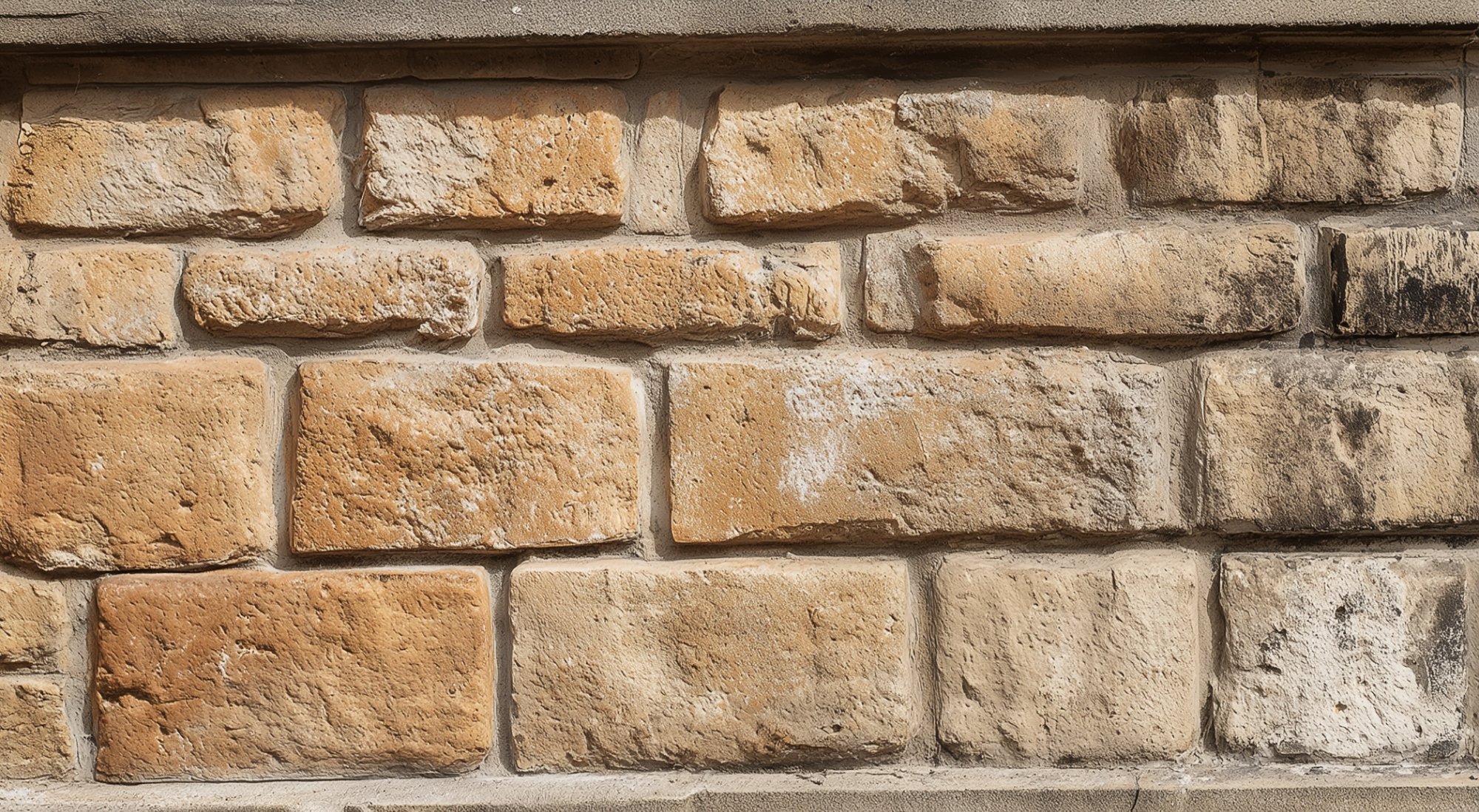
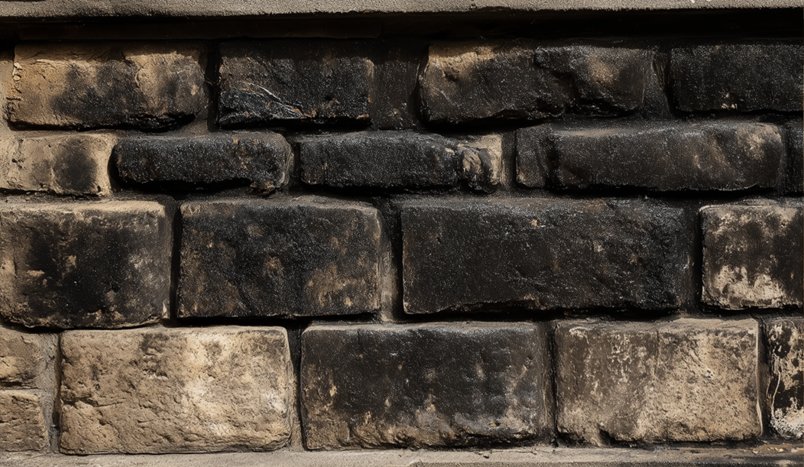
Smoke and soot from fire events deposit carbon throughout porous surfaces — stone, brick, metal, timber. Laser cleaning removes soot and surface residues without water, chemicals or abrasion. In many cases the substrate is left dry and unaffected.
After a fire, the building is already under stress. Pressure washing saturates masonry, driving moisture into compromised structure and creating long-term damp and mould risk. Chemical stripping introduces new hazardous residues into already-contaminated surfaces. Abrasive blasting removes substrate material along with soot.
Laser cleaning targets the carbon soot deposit — when correctly calibrated by trained operators, the substrate typically receives no mechanical force and no chemical exposure. The surface is left dry and suitable for assessment, coating, or reinstatement in many cases. This makes it a preferred approach for insurance restorers, heritage conservation, post-fire equipment cleaning for industrial facilities, and commercial food premises where chemical contact is not permitted. Industrial facility restoration following electrical or process fires is a common application, returning machinery housings, structural steelwork and plant surfaces to serviceable condition without introducing secondary contamination.
A clear, low-commitment process — you only proceed at each stage if you're satisfied with what's been shown.
Email or message us a few photos of the affected surface along with a brief description — location, material type, and how the fire or smoke event occurred. This lets us give you an informed response rather than a generic one.
We visit the site at no charge, assess the full extent of the damage, and provide a written fixed-price quote. We'll advise honestly if laser cleaning is not the right approach for any part of the job — some surfaces or contamination types are better handled differently.
Every job begins with a test patch on an inconspicuous area of the affected surface. This confirms the laser settings produce the right result on your specific material before we commit to the full area. You review the patch and approve before we proceed.
We treat the full affected area systematically, adjusting parameters across different materials and contamination depths as required. The equipment is mobile — we work on-site with no need to remove or transport components. Most small commercial and industrial jobs are completed in a single visit.
On completion we provide calibrated before and after photographs, a written scope-of-work record, and a completion report. This is suitable for insurance claim files, heritage works records, or your own property documentation. No extra charge.
← Drag to compare →
Tell us about your surface. We'll quote, schedule, and deliver — test patch first, every time.