Paint Removal Rust Removal Coating Removal Oxidation Removal Graffiti Removal Smoke & Soot Cleaning ← All Services
Service 05

Graffiti gone.
Surface untouched.

Laser graffiti removal strips spray paint from brick, stone, concrete and metal without chemicals, without pressure washing, and without touching the surface beneath. No shadow. No ghost. No damage.

No chemicals Heritage-safe Melbourne-wide Fixed-price quote
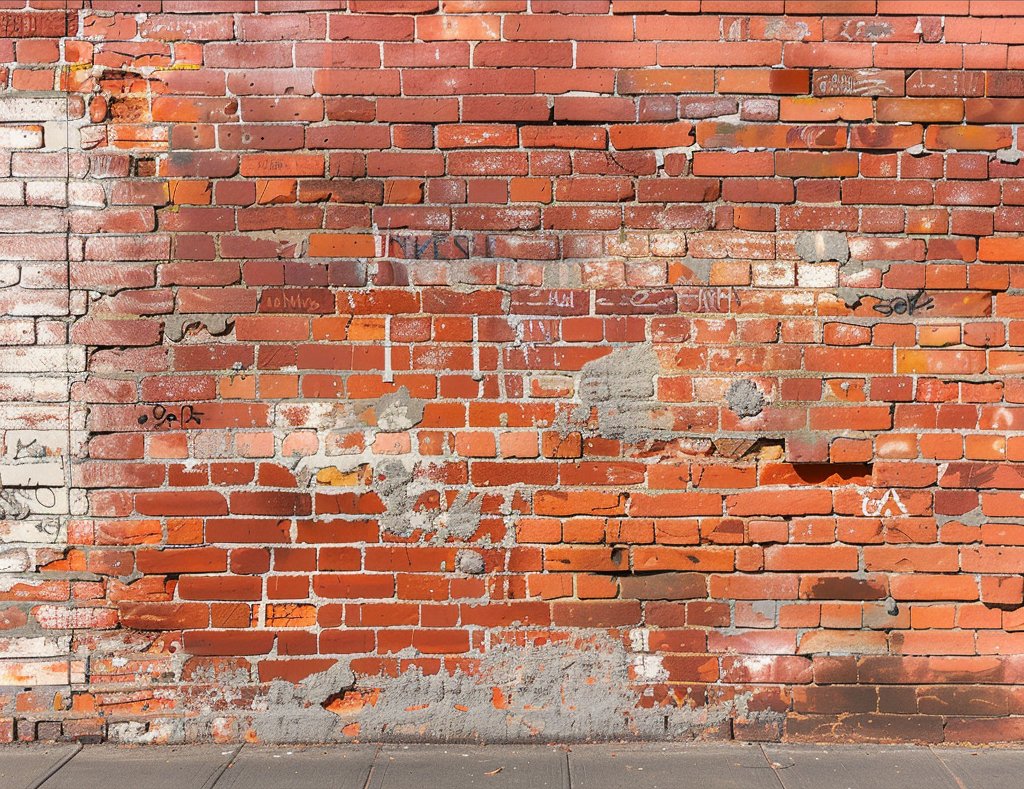
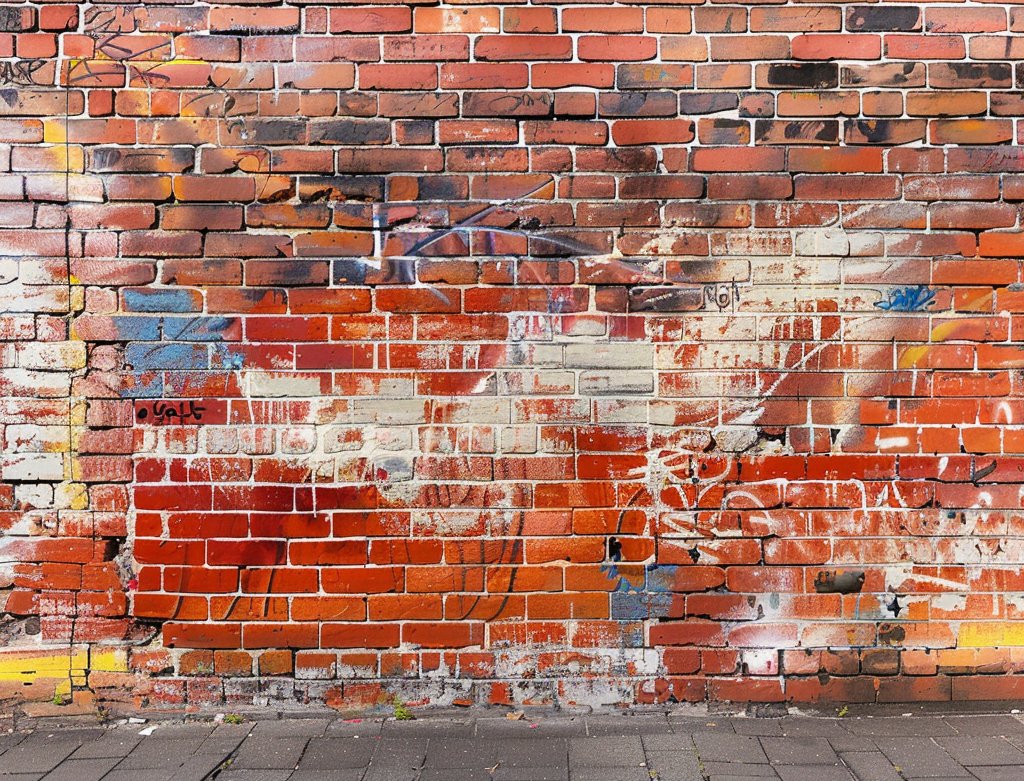
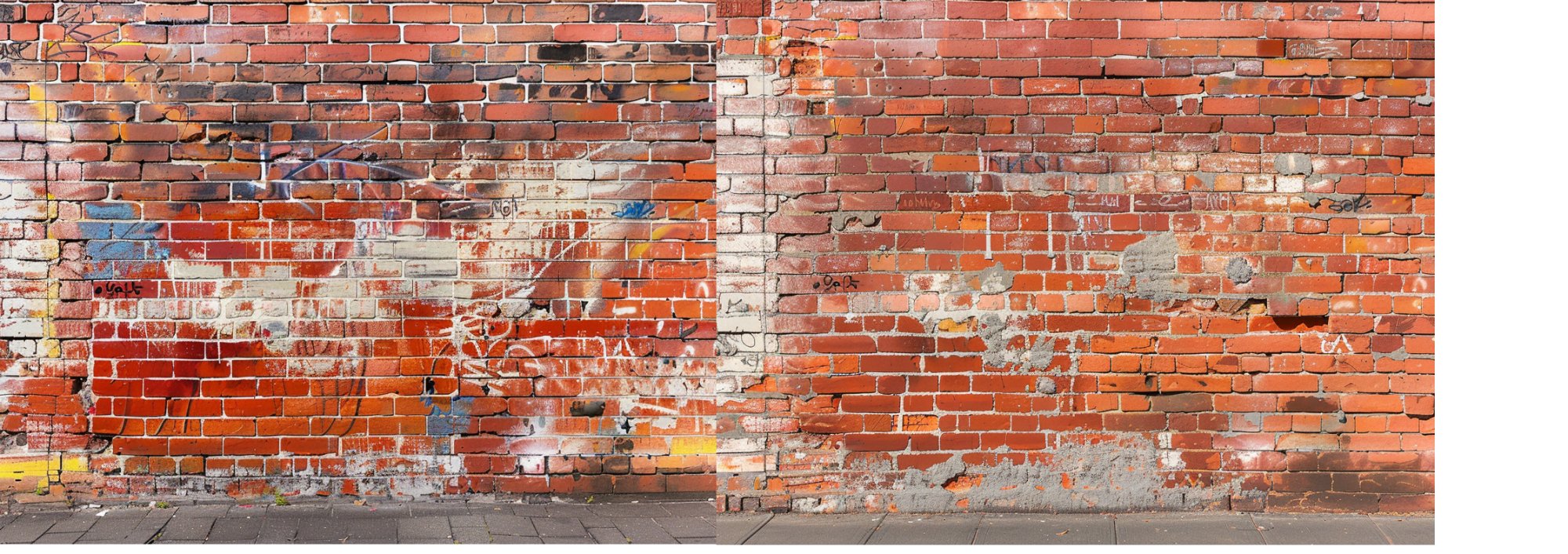
Graffiti removal from brick wall — before and after
The Process

Why laser outperforms chemical graffiti removal

Spray paint has a different laser energy absorption profile to the surface beneath it. Laser energy targeted at the paint layer causes ablation — the paint is vaporised and extracted — while the underlying brick, stone or metal reflects the energy and remains unaffected. The original surface texture, colour and patina are preserved.

Chemical solvents risk bleaching or staining porous stone and heritage render. Pressure washing drives contamination deeper into the substrate and can erode soft mortar joints. Laser cleaning is selective by physics — it can only remove what it's tuned to remove, making it the preferred method for heritage surfaces and situations where chemical use is restricted or undesirable.

All common spray paint types and marker tags
Single-layer tags through to multi-layer murals
Heritage stonework, brick and render — no solvents
Concrete panels, pavers and public infrastructure
Steel fencing, signage and metal surfaces
No ghost or shadow on non-porous substrates in most cases
Suitable Surfaces
Bluestone, sandstone & granite
Brick, terracotta & heritage render
Concrete panels, paths & pavers
Steel fencing & metal structures
Memorial & monumental stonework
Heritage-listed buildings
Ready to go?
Get a fixed-price quote
Send us a photo and the surface location. We'll respond within one business day.
Request a Quote
Results

Before & After

Brick wall after laser graffiti removal
Brick wall before laser graffiti removal — covered in spray paint
Before
After

← Drag to compare →

Common Questions

Questions about laser graffiti removal

In most cases, yes — particularly on non-porous substrates like metal, dense stone and sealed concrete. Highly porous or textured surfaces like sandstone or rough brick may retain a faint shadow where spray paint has penetrated deeper into the material. We'll advise honestly after reviewing photos of the affected area, and always complete a test patch before treating the full surface.
Yes — and it is frequently the preferred method for heritage surfaces where chemical use is restricted or prohibited. Laser cleaning is accepted by conservation authorities for heritage stonework and does not introduce chemicals, moisture or mechanical stress to the substrate. We have experience on heritage-listed properties across Melbourne and can provide a method statement for Heritage Victoria or local council applications.
Chemical removers can bleach or stain porous stone and heritage render, and often require neutralisation and rinsing that introduces further moisture. They also generate hazardous waste that requires disposal. Laser cleaning produces no chemical residue, no runoff and no secondary contamination. The surface is left dry and ready for inspection immediately after treatment.
Yes. Multiple paint layers are removed progressively. Thicker applications or surfaces with several overlapping tags require more passes and therefore more time, but the process is the same. We'll give you an honest time and cost estimate after reviewing the affected area.
This depends on the scope, location and listing type. In many cases, low-impact graffiti removal using laser cleaning is exempt from works approvals. In others, a permit may be required. We recommend checking with Heritage Victoria or your local council before booking. We can provide a method statement to support your application if needed.
Other Services

More laser cleaning services

Get Started

Ready for a precise result?

Send us a photo of the graffiti and the surface. We'll quote, schedule, and deliver — test patch first, every time.